Login
.png)
Business
Avoid Money Mistakes That Threaten Small Business
Protect your small business by avoiding the common financial mistakes that can threaten your long-term success.

Derek Goodman

Avoid Money Mistakes That Threaten Your Small Business Success
For small business owners, whether running a local shop, an ecommerce brand, or a product built on payments, the hardest money problems rarely announce themselves. Financial mistakes often show up as tight weeks, surprise fees, and stress that keeps decision-making reactive instead of planned. A few business budgeting errors can ripple into shaky cash flow management, turning normal entrepreneur financial challenges into stalled growth and unnecessary risk. Catching these patterns early helps businesses protect margins, stay steady, and make confident next moves.
Quick Summary: Money Mistakes to Avoid
- Stick to a realistic budget and review it often to keep spending aligned with cash flow.
- Separate business and personal finances to simplify reporting and protect clear financial records.
- Set up an expense tracking system so you always know where money goes.
- Manage business debt carefully by tracking balances, payments, and terms to avoid costly surprises.
- Plan for small business taxes year-round so tax bills do not disrupt operations.
Understanding Financial Discipline for Small Businesses
A helpful way to think about financial discipline is a set of habits that keep your numbers honest and your choices calm. It starts with budgeting basics, protecting cash timing, and holding every expense accountable, then diagnosing where you are weakest and building a clear learning plan. Many owners find a financial decision making checklist keeps those habits consistent when pressure hits.
This matters because payment fees, inventory buys, and payroll do not wait for “better months.” Strong cash flow optimization helps you stay stable, so you can pick cost-effective processing options without starving operations.
Picture a cafe with steady card sales but random supplier orders. A simple budget sets limits and expense checks stop “small” subscriptions from piling up. With that mindset, a repeatable process makes the next actions obvious, and studying bachelors of business administration can fit naturally into a clear learning plan.
Plan → Track → Reduce → Prepare → Protect
Running the business is hard enough. This weekly-to-monthly rhythm keeps your finances organized so you can choose payment processing options based on real margins, not gut feelings. It also reduces the “surprise” moments that force rushed borrowing, missed tax deadlines, or coverage gaps.
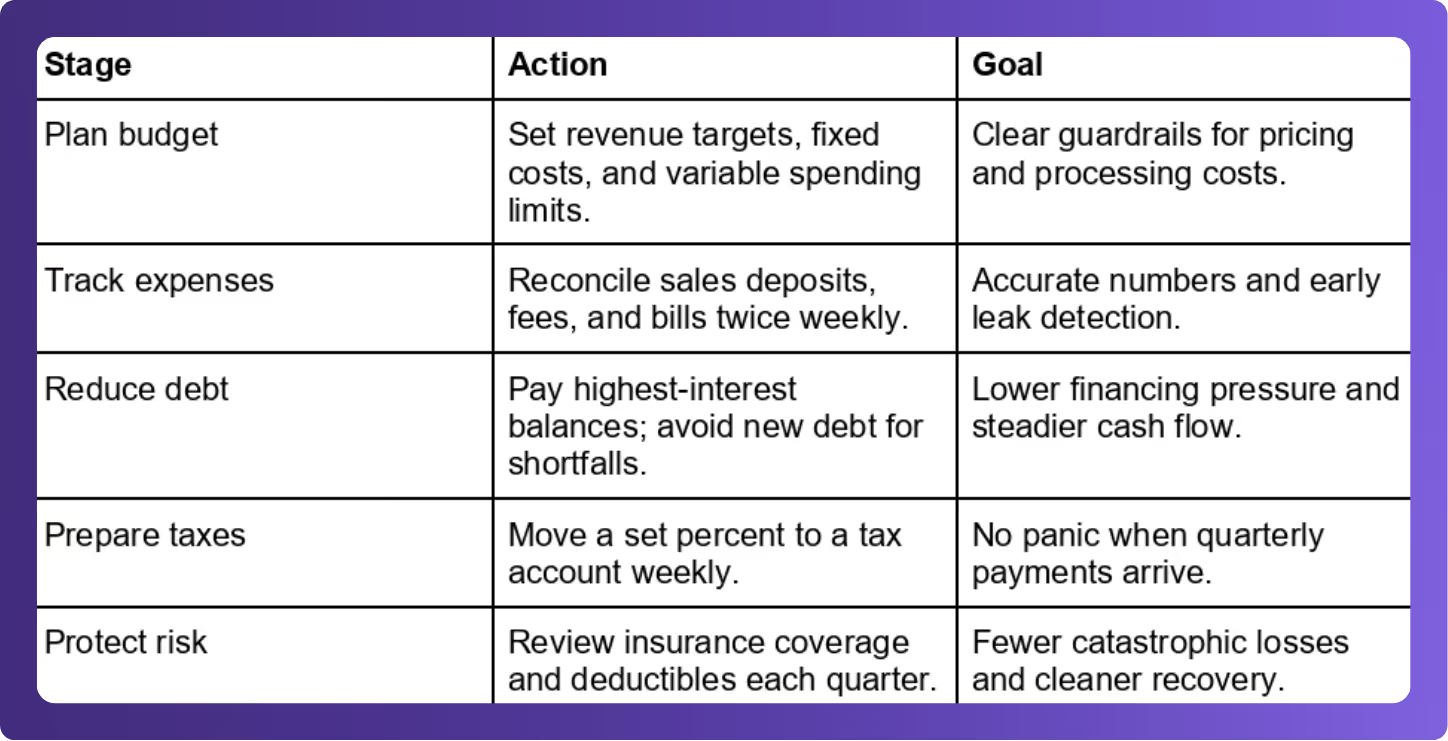
Each stage feeds the next: the budget sets expectations, tracking reveals reality, and debt and tax actions prevent cash crunches. Insurance review closes the loop by protecting the progress you have built.
Quick Financial Habits Audit Checklist
This fast check helps you spot small leaks before they become big emergencies, so you can pick payment processing that actually fits your margins. It matters because cash flow challenges can quickly force expensive, last-minute decisions.
✔ Confirm weekly sales deposits match invoices and processor payouts
✔ Review processing fees, chargebacks, and refunds for avoidable patterns
✔ Set a fixed “tax transfer” percentage and move it weekly
✔ Track subscription tools and cancel anything not driving revenue
✔ Compare debt interest rates and prioritize the highest-cost balance
✔ Validate insurance limits and deductibles against current inventory and payroll
✔ Update your cash cushion target and schedule automatic transfers
Do this once today, then repeat it on your next money day.
Build Financial Confidence With One Small Money Upgrade
Money issues usually don’t explode overnight, they creep in when tracking gets sloppy and decisions get delayed. The way out is the mindset of effective money management: simple, consistent attention paired with long-term financial planning instead of last-minute fixes. That’s how financial confidence turns into business financial empowerment, because the numbers stop feeling mysterious and start guiding better calls. Small business financial stability is built in small, repeated choices. Pick one item from the checklist this week and complete it start to finish, then put the next review on the calendar. That steady rhythm protects cash flow, reduces stress, and keeps the business resilient as it grows.
Get started with Redde
No matter what industry you're in, we make it easy to get approved and start processing. Competitive rates, fast setup, and a team that actually has your back. Our industry experts will walk you through every step of the way.



.png)