Login
.png)
Business
Smart Self-Care Tips Every Entrepreneur Needs for Lasting Success
Running a business takes a toll when burnout becomes the norm. Learn the self-care habits that keep entrepreneurs sharp, resilient, and ready for whatever the day throws at them.

Derek Goodman
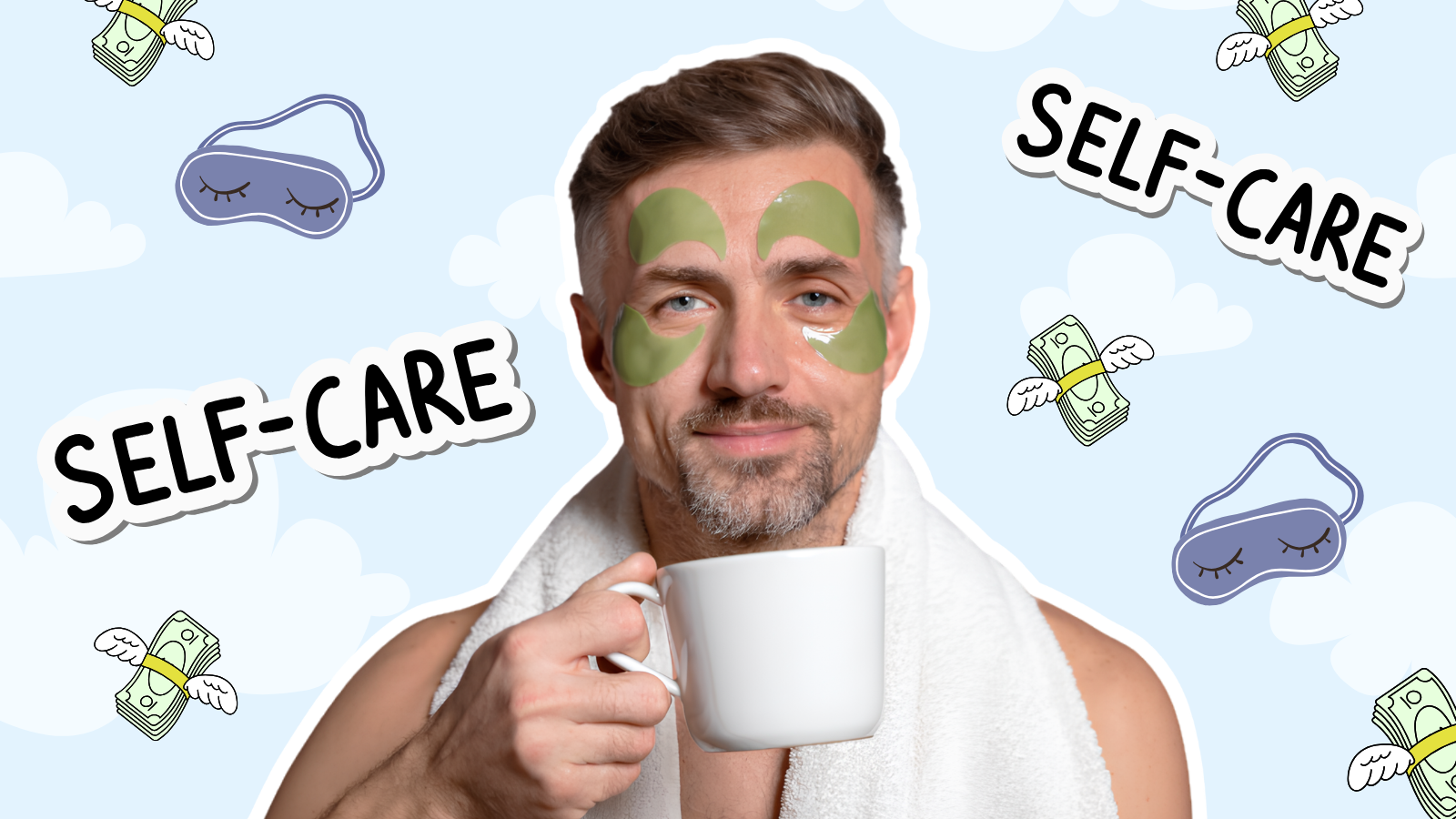
Smart Self-Care Tips Every Entrepreneur Needs for Lasting Success
For founders, freelancers, and small-team operators carrying the business in their head every day, self-care challenges rarely show up as a clear problem to fix. The core tension is simple: entrepreneurial stress keeps demanding “just one more push,” while sleep, meals, movement, and downtime get treated like optional extras. Over time, the impact of neglecting self-care quietly steals focus, shrinks patience, and makes decision-making feel heavier than it should. When basic capacity drops, so do the business success factors that depend on steady energy and clear judgment.
Understanding Self-Care That Fuels Entrepreneurship
Self-care for entrepreneurs is capacity-building, not a reward for finishing everything. The real benefits to protect are energy to execute, clarity to choose well, and resilience to recover when plans change. When those three stay steady, work-life balance stops being a nice idea and becomes a practical mental health safeguard.
This matters because long-term business success depends on consistent decisions, not occasional heroic sprints. A healthier baseline also supports a holistic sense of fulfillment, so the business serves your life instead of consuming it.
Think of your mind like your operating system. Skip updates and basic maintenance, and everything gets laggy, buggy, and reactive. Keep it maintained, and you can handle a tough client call without burning the whole afternoon. With that foundation, relaxation tools become a smart, targeted investment.
Explore Low-Risk Stress Supports Beyond the Usual Basics
Once you’ve nailed the core habits that keep you steady, it can help to have a few extra, low-risk tools for high-pressure days. Breathwork is a simple, body-led reset, slow, intentional breathing can downshift stress quickly. Herbal supports like ashwagandha are popular for everyday tension, but choose reputable products and check for interactions if you take medications. Some entrepreneurs also explore hemp-derived THCa; if you go this route, prioritize transparent testing and consistent dosing, such as a clearly labeled high-potency THCa distillate. Next, we’ll turn these ideas into a practical 10-minute plan you can actually use.
Use This 10-Minute Self-Care Plan: Move, Calm, Delegate
If your calendar is packed, self-care needs to be small, repeatable, and protected like any revenue task. This 10-minute plan mixes physical activity, relaxation, and delegation so your entrepreneurial self-care routines don’t disappear the moment work gets loud.
- Move for 4 minutes (raise your heart rate on purpose): Pick one “default” option you can do anywhere: brisk stairs, a fast walk, or a simple home workout circuit like 20 seconds each of squats, wall push-ups, and marching high knees for 4 rounds. Physical activity for entrepreneurs works best when it’s frictionless, not perfect, your goal is to change your state, not chase a personal record. If you’re already a gym person, make this your “minimum dose” on busy days so you keep the identity and the streak.
- Calm for 3 minutes (one technique, one cue): Use a single relaxation technique you can repeat daily: a slow inhale through the nose, longer exhale through the mouth, repeated for 3 minutes while you sit with both feet on the floor. Pair it with a cue you already do, closing your laptop, washing your hands, or getting in the car, so it becomes automatic. If you liked the low-risk stress supports from earlier, this is also a good moment for a gentle body scan or a soothing tea as long as you’ve already verified quality and personal fit.
- Delegate for 2 minutes (make a “not-me” list): Open a note and write three tasks that don’t require your unique brain, booking, basic edits, inbox sorting, data entry, simple customer follow-ups. Then mark one task to outsource for small business this week, even if it’s just 30 minutes of help. The U.S. Chamber of Commerce reports 83% of small businesses plan to continue or increase spending on outsourcing, which is a strong signal that delegation is a real-world time-saving business strategy, not a luxury.
- Create a 60-second “self-care appointment” boundary: Put a recurring 10-minute block on your calendar titled “Move–Calm–Delegate,” ideally at the same time daily. Add one rule: it can move, but it can’t vanish, if you miss the morning, it slides to before lunch or right after your last call. This tiny boundary is what keeps your relaxation techniques and home workouts from becoming “optional” when stress spikes.
- Use a “two-touch” communications rule to stop time leaks: When you open a message, either respond, delegate, or schedule it, don’t reread it five times. If a reply will take more than two minutes, draft one sentence, then turn it into a task with a time slot. This protects your mental bandwidth so your nervous system supports don’t have to fight constant context switching.
- End with a 30-second reset ritual (so it actually sticks): Write one line: “What worked today?” and one line: “What’s the smallest win tomorrow?” This reinforces consistency over intensity and keeps you from quitting when your week gets messy. Over time, the routine becomes proof you’re not “too busy”, you’re building a system that makes busy sustainable.
Entrepreneur Self-Care Questions, Answered
Q: How do I stop feeling guilty for taking care of myself?
A: Reframe it as maintenance, not a reward. True self-care includes boundaries, rest, nourishment, and mental clarity, which directly protect your decision-making. Start by labeling a 10-minute block as “capacity,” the same way you would protect a sales call.
Q: What if I genuinely do not have time today?
A: Use a minimum viable version that takes two minutes: drink water, stand and stretch, and take five slow breaths. The goal is consistency, not a perfect routine. If you can open social media, you can fit a tiny reset.
Q: How can I be consistent when my schedule changes daily?
A: Attach one habit to something that already happens, like after coffee or before your first login. Set a simple rule: never miss twice. That keeps momentum even during chaotic weeks.
Q: Can self-care be productive without turning into another task?
A: Yes, if it reduces friction. Pick actions that improve how you work, like a short walk to clear mental clutter or a quick plan to remove one low-value obligation. You should finish feeling lighter, not graded.
Q: What if I keep starting strong and then dropping off?
A: Lower the bar and make it repeatable, then track wins for seven days. It helps to remember 32% of US consumers do daily self-care, meaning small daily actions are realistic, not rare. Choose one habit you can do on your worst day.
Turn Daily Self-Care Into Better Entrepreneurial Performance
Running a business makes it easy to treat personal well-being like a luxury, until fatigue, stress, and scattered focus start running the company. The path forward is a simple mindset: build a realistic self-care commitment that favors consistency over intensity, so the consistent self-care benefits have room to show up. When that happens, entrepreneurial performance gets steadier, decisions get cleaner, and the work stops feeling like a constant emergency. Sustained business success starts with protecting the person building it. For the next 7 days, choose one self-care habit to repeat daily and track what changes. This is how you build resilience that holds through growth, setbacks, and the long haul.
Get started with Redde
No matter what industry you're in, we make it easy to get approved and start processing. Competitive rates, fast setup, and a team that actually has your back. Our industry experts will walk you through every step of the way.